Knowledge
Electronics manufacturer and R&D: collaboration in practice
Designing an electronic device brings together user needs, production capabilities and the verification of design assumptions. In this archived post, ELETOR shares its experience of a company working with research and development institutions.
Two perspectives on the same project
The company needs a solution that can be manufactured, implemented and maintained within the planned budget. The research team contributes methods, equipment and the ability to verify selected product properties. Collaboration delivers value when both parties agree on the research objective and how the results will be used.
Requirements first, testing afterwards
In the approach described by ELETOR, project requirements are analysed before design work begins. The next stages include checking the prototype under laboratory conditions and testing it in its intended application. The choice of tests should be based on the specific device and the question the result is intended to answer.
Scope and cost of collaboration
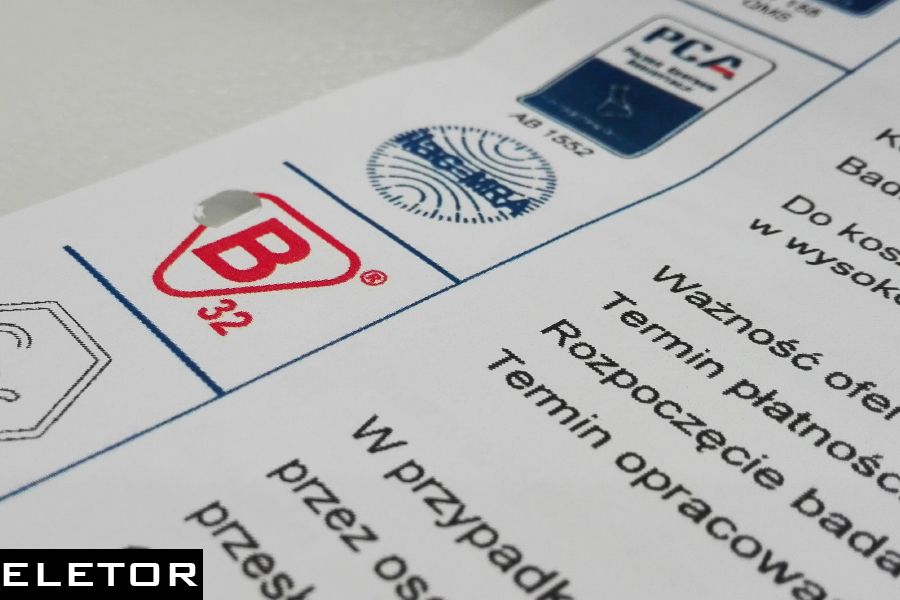
The illustration retains an example quotation for strength testing of rope blocks. This type of document should be considered alongside the description of the samples, the test method, the scope of the report and the costs. A test result applies to a specified item and agreed conditions; it does not replace the complete documentation for another product.
Discussing testing is also part of preparing for OEM or ODM production. The customer and supplier need shared assessment criteria before the project moves on to the next stage.
Useful information sources
- Polish Committee for Standardization
- Polish Centre for Accreditation
- Information service for businesses